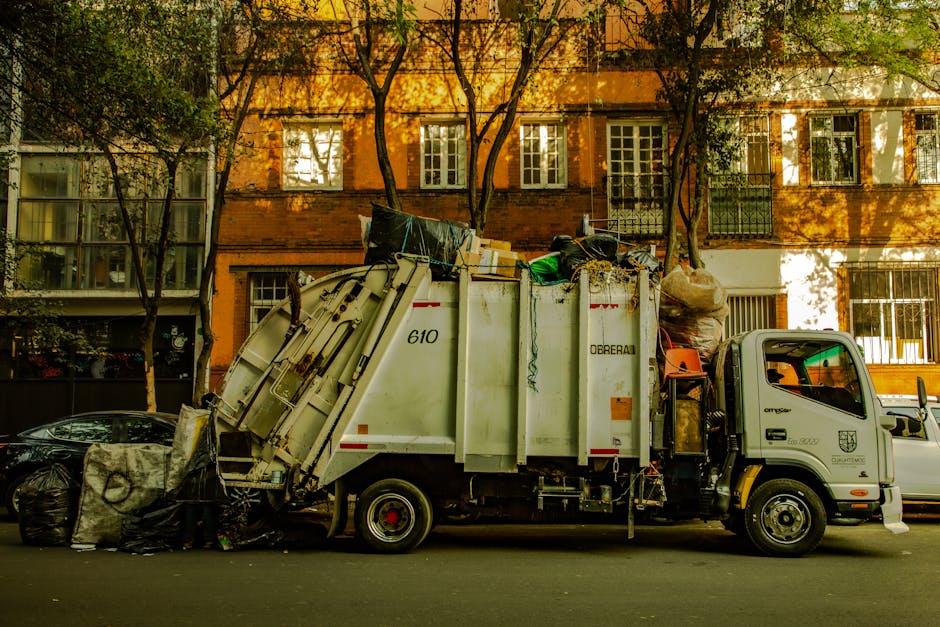
Hammersmith and Fulham council rules for bulky waste disposal
Posted on 22/06/2026
Hammersmith and Fulham council rules for bulky waste disposal: what residents need to know
If you live in the borough and have a mattress leaning against the wall, a broken wardrobe in the hallway, or an old sofa that seems to have grown roots, you are probably asking the same question as everyone else: what are the Hammersmith and Fulham council rules for bulky waste disposal, and how do you get rid of it without creating a headache? The short answer is that bulky items need to be handled carefully, placed out correctly, and disposed of through approved routes. The longer answer is much more useful, because the right approach can save time, avoid missed collections, and stop you from accidentally dumping something where it should not go. Let's walk through it properly.
This guide explains the practical side of bulky waste in plain English, including what counts as bulky waste, how council-style collection usually works, what to check before you book, and when a specialist removal service makes more sense. I'll also cover a few mistakes people make all the time. To be fair, bulky waste is one of those topics that sounds simple until you are standing in the hallway with two flat-pack wardrobes and a fridge you no longer trust.
Why Hammersmith and Fulham council rules for bulky waste disposal Matters
Bulky waste is not like everyday household rubbish. A chair, a broken chest of drawers, a carpet roll, or a washing machine can take up a surprising amount of space, and councils tend to treat them differently from bagged waste because of the size, weight, and handling involved. That matters because incorrect presentation can lead to refusal, delays, extra charges, or items being left behind. And once one item is left, the whole job can turn into a second round of hassle.
In Hammersmith and Fulham, as in most London boroughs, the basic principle is straightforward: bulky items should be put out only in line with the collection instructions, and only when a collection has been arranged or an approved disposal route is being used. In plain terms, do not just leave a three-seater sofa on the pavement and hope for the best. The streets around Brook Green, Shepherd's Bush, or Fulham Broadway can get busy quickly, and a mis-timed drop-off is a problem for neighbours, pedestrians, and collections teams alike.
The other reason this matters is compliance. Bulky waste often includes items with mixed materials or electrical components. A wardrobe might seem harmless, but a fridge, microwave, or TV can contain parts that need special handling. That is why a careful approach is not just tidy, it is safer and more responsible too.
Expert summary: The best bulky waste approach is the one that is planned before the items hit the pavement. Check the rules first, separate what can be reused or recycled, and choose the disposal route that matches the type and amount of waste you actually have.
How Hammersmith and Fulham council rules for bulky waste disposal Works
Bulky waste disposal usually follows a few predictable steps. The details can vary, so always confirm the current council guidance before booking anything, but the pattern is generally the same. You identify the items, check whether they qualify as bulky waste, arrange collection or delivery through the correct route, and then place the items where they can be safely lifted without blocking access.
Most people want to know the same thing first: what counts as bulky waste? In everyday terms, it is large household waste that is too big for normal bins or sacks. Common examples include furniture, mattresses, rugs, washing machines, tumble dryers, fridge-freezers, and unwanted household fixtures. Some items may need special treatment, especially electricals or anything containing gas, oil, sharp components, or hazardous residue.
There is also a difference between council-led bulky waste collection and private removal. Council services usually have specific booking rules, item limits, and presentation instructions. Private clearance and collection services can offer more flexibility, especially if you have several large items, need same-day help, or are clearing a property after a move. If you are weighing both, a look at the services overview can help you compare what kind of support is available without guessing.
One thing that catches people out is timing. If the collection is booked for a particular day, items normally need to be outside at the right time and in the right place. Leave them too early and they may obstruct the pavement or attract fly-tipping. Leave them too late and, well, you may find the truck has already gone. That part is never fun.
Key Benefits and Practical Advantages
Following the correct bulky waste process has some very real benefits beyond simple compliance. First, it keeps the area tidy. That matters more than it sounds, especially in streets where front gardens are narrow, entrances are shared, or foot traffic is heavy. A single mattress left in the wrong spot can quickly become a nuisance.
Second, it reduces the chance of wasted effort. If you know in advance what is accepted, what needs dismantling, and how much space the items will take, you can avoid last-minute surprises. In our experience, a quick pre-check often saves more time than the collection itself. Strange but true.
Third, it supports recycling and reuse. A lot of bulky items are not automatically rubbish. Wooden furniture, metal frames, and some appliances may be capable of reuse, refurbishment, or material recovery. Choosing a route that supports that can be the difference between a landfill trip and a more sustainable outcome. If that matters to you, the page on recycling and sustainability is a useful companion read.
There is also a practical comfort factor. Getting a large item out of a flat, a basement, or a top-floor room is hard enough without having to wrangle permissions, access issues, and unclear rules. A proper plan removes that friction. You notice it most when the stairwell is tight and the item is awkward. Suddenly, a clear process feels like a small miracle.
Who This Is For and When It Makes Sense
This topic is relevant to a lot more people than you might expect. Tenants clearing out at the end of a lease, homeowners replacing old furniture, landlords preparing a property for re-let, estate managers, and local businesses all end up needing bulky waste disposal at some point. It is also common after redecorating, downsizing, or dealing with a house clearance following a life event.
For residents, bulky waste rules usually matter most when the item is too large for routine collection. Think of the sofa that will not fit through the hallway, the mattress that has seen better days, or the broken appliance that has been sitting in the kitchen for months. For landlords and agents, the issue is often turnaround speed. A flat needs to be ready for photos, viewings, or new tenants, and bulky waste can hold everything up.
Businesses can run into similar issues. Offices and shops sometimes need old desks, shelving, filing cabinets, or white goods removed during refits or end-of-lease changes. In those cases, a council-style route may not be the most efficient option, which is why many people compare it with dedicated commercial help such as commercial waste removal in Hammersmith.
So when does it make sense to use council guidance, and when should you look elsewhere? If you have one or two items, no urgent deadline, and a straightforward booking window, council rules may be enough. If you have multiple heavy items, stairs, limited access, or a short deadline, a specialist service may be the calmer choice. Calm matters here. Nobody wants a sofa-related drama on a Tuesday morning.
Step-by-Step Guidance
Here is the cleanest way to handle bulky waste without turning it into an all-day project.
- List the items clearly. Write down exactly what you need removed. Be specific: "2-seat sofa, wooden coffee table, mattress, and microwave" is much better than "some stuff."
- Check each item type. Decide whether anything is electrical, reusable, or potentially hazardous. A fridge is not handled the same way as a wooden chair.
- Separate reusable items. If something is in good condition, consider whether it can be donated, resold, or passed on. That can reduce waste and may lower disposal pressure.
- Measure access points. Hallways, stairwells, lifts, and door frames matter more than people think. A bulky item that looks manageable in the room can become awkward at the doorway.
- Book the correct route. Use the council process if it fits your needs, or choose a private collection service if you need a faster or more flexible approach. If you are comparing options, pricing and quotes can be a useful place to understand the financial side before you commit.
- Prepare the items properly. Remove loose contents, drain or unplug appliances where needed, and dismantle furniture only if it makes handling safer.
- Place the waste as instructed. Keep access clear and follow the timing and positioning rules. That part is boring, yes, but it matters.
- Confirm collection or handover. Make sure you know when the job is complete and whether anything was left behind due to restrictions.
A small but useful tip: if you have several items, group them logically. Furniture together, electrical items together, and loose small parts bagged separately. It makes lifting easier and reduces the chance of missed pieces.
Expert Tips for Better Results
After handling a fair number of bulky clearances, a few habits stand out.
Tip one: photograph the items before collection. This gives you a record of what was present and helps if there is any confusion about what was taken. It is not dramatic, just practical.
Tip two: think about dismantling only when it genuinely helps. Sometimes taking the legs off a table makes removal easier. Sometimes it just creates more loose screws and more annoyance. Use judgment, not enthusiasm.
Tip three: keep an eye on weather and access. A rainy morning in London can make cardboard soft, fabric heavier, and lifts a bit grimy. If the path is narrow or slippery, plan for that. Small thing, big difference.
Tip four: ask about licensing and handling standards. If you use a private company, it is reasonable to check that they are compliant and insured. You are letting someone handle waste from your property, so trust should be earned. The page on waste carrier licence and compliance is useful if you want to understand the basics of responsible waste handling.
Tip five: avoid leaving bulky items out too early. This is one of the most common mistakes. It may seem convenient at 8 p.m. the night before, but it can quickly look untidy, create blockages, or invite fly-tipping. Better to be slightly later and properly timed than early and messy.

Common Mistakes to Avoid
Most bulky waste problems are avoidable. The trouble is, they are also predictable. Here are the ones I see most often.
- Assuming all large items are treated the same. A sofa, a fridge, and a mattress may all be bulky, but they are not all handled in the same way.
- Forgetting hidden components. Items like recliners, office chairs, and appliances may contain metal, wiring, or mechanisms that need different handling.
- Mixing rubbish with bulky waste. Loose bags, broken glass, and small debris should not be bundled thoughtlessly with a large item unless the collection route allows it.
- Blocking communal access. In flats and shared buildings, a bulky item on the landing can annoy neighbours quickly. Very quickly.
- Not checking what the service accepts. If you are using a collection provider, review the item list carefully before booking.
- Leaving appliances connected or unprepared. Electrical items should be unplugged and, where relevant, emptied or defrosted in advance.
- Choosing speed over clarity. Same-day removal can be brilliant, but only if you know exactly what you are paying for and what is included. The article on avoiding hidden rubbish removal charges in Hammersmith is worth a look if you want to avoid awkward surprises.
Truth be told, the biggest mistake is usually simple: people rush. A ten-minute plan can save a whole afternoon.
Tools, Resources and Recommendations
You do not need fancy equipment to deal with bulky waste, but a few basic tools make life easier.
- A tape measure for checking access, door widths, and item dimensions.
- Heavy-duty gloves to protect hands from splinters, metal edges, and rough upholstery.
- Blankets or moving straps for protecting walls and easing lifting.
- Bin bags or boxes for loose screws, cables, and small parts.
- A phone camera for keeping a quick record of the items and their condition.
- A trusted disposal plan so you know whether the job is council-led, reuse-led, or removed by a private team.
If you want a broader understanding of the local service landscape, the domestic waste collection in Hammersmith page is a helpful companion for everyday household disposal questions, while house clearance in Hammersmith is more relevant when the job is bigger than a single bulky item or two.
For larger furniture jobs, furniture disposal in Hammersmith can be more practical than trying to force everything into a council-style slot. And if you are dealing with old appliances, white goods and appliance disposal is the right subject to review because fridges, freezers, and similar items often need careful handling.
Law, Compliance, Standards, or Best Practice
When discussing bulky waste, it is safest to stay grounded in accepted UK waste principles rather than making assumptions about exact council thresholds or item limits, which can change. The key compliance point is simple: waste should be transferred to an authorised carrier and handled in a way that prevents nuisance, littering, and unlawful dumping. That is the basic standard most responsible operators follow.
For residents, the practical legal principle is duty of care in everyday terms: dispose of waste through legitimate routes and keep records or confirmations where appropriate. For businesses, the expectations are usually stronger, especially around segregation, collection records, and carrier checks. That is why many commercial users ask for evidence of licensing, insurance, and safe working methods before they book anything.
Best practice also means being honest about the item type. If something is a mixed-material item, an appliance, or a piece of furniture with hidden mechanical parts, describe it accurately. Understating what you have can create safety issues or lead to the job being refused. Nobody enjoys a mid-collection surprise. Not the crew, not the resident, nobody.
If accessibility or shared-building access is involved, plan for that early. The presence of stair-only access, a narrow hallway, or restricted loading space is not a small detail; it is the detail. In our experience, those are the things that decide whether a clearance goes smoothly or becomes a nuisance. If you want a wider look at service standards and support expectations, the insurance and safety page is a sensible reference point.
Options, Methods, or Comparison Table
There is no single perfect method for bulky waste. The right choice depends on time, item type, access, and how much help you want. Here is a straightforward comparison.
| Method | Best for | Advantages | Possible drawbacks |
|---|---|---|---|
| Council bulky waste collection | One-off household items, planned disposal | Simple for residents, usually clear rules, suitable for straightforward jobs | May involve booking windows, item restrictions, and less flexibility |
| Private bulky waste removal | Urgent jobs, multiple items, difficult access | More flexible timing, lifting support, often faster turnaround | Costs can vary, so clarity is essential before booking |
| Reuse or donation route | Good-condition furniture and appliances | Lower waste, more sustainable, can help someone else | Not suitable for damaged, unsafe, or heavily worn items |
| DIY disposal at a waste facility | People with transport and time | Direct control over the process | Heavy lifting, vehicle needed, and more effort overall |
For many households, the deciding factor is access. If you live in a flat above street level, or your building has awkward corners and tight stairs, paying for help can be the more sensible choice. If you are renovating, builders waste disposal in Hammersmith may be more relevant because renovation waste behaves differently from ordinary bulky household items.
Case Study or Real-World Example
Here is a realistic scenario. A couple in Fulham are moving out of a two-bedroom flat and need to clear an old sofa, a bed frame, a mattress, a broken desk, and a fridge-freezer before handover day. They first think they can drag everything out to the kerb and deal with it later. Then they realise the fridge needs special attention, the mattress is too awkward for one person, and the hallway is too narrow to leave items outside for long.
After checking their options, they separate what can be reused, photograph the items, measure the route from the flat to the pavement, and choose a removal method that fits the deadline. The sofa and desk are straightforward. The appliance needs proper handling. The mattress is bagged or wrapped where required, and everything is scheduled for a single, efficient collection. Result? Less stress, no blocked hallway, and a far better chance of handing the flat back in decent shape.
That is the real lesson. Bulky waste is rarely about the item alone. It is about the route, the access, the timing, and the amount of effort you want to spend. A cleaner, calmer plan usually wins.
For readers who are also thinking about property moves or local turnover, the articles on the Hammersmith area guide and Hammersmith property sales and purchases can give useful local context around why clearance timing often matters during a move.
Practical Checklist
Use this quick checklist before you arrange bulky waste disposal.
- Identify every item clearly.
- Separate furniture, appliances, and loose waste.
- Check whether anything is reusable, recyclable, or electrical.
- Measure access routes, stairs, and doors.
- Confirm the correct collection or disposal route.
- Review any item restrictions or timing instructions.
- Prepare appliances by unplugging, emptying, or defrosting where needed.
- Group items neatly and keep access clear.
- Take photos for reference.
- Make sure you understand the final cost before the job starts.
If your clearance involves an entire property rather than a few items, it may be worth comparing loft clearance or furniture removal options. For office-based disposal, office clearance in Hammersmith is the more suitable path. Different jobs, different rules, same need for clear planning.
Conclusion
Understanding Hammersmith and Fulham council rules for bulky waste disposal is really about making a messy job feel manageable. Once you know what counts as bulky waste, how to present it, and when to choose a different route, the whole process becomes much less stressful. That is the good news. You do not need to overcomplicate it; you just need to match the item, the access, and the disposal method properly.
In practice, the safest approach is simple: plan early, describe items accurately, keep access clear, and choose the route that fits your timeframe. Whether you are clearing one sofa or the contents of an entire room, a little organisation goes a long way. And honestly, it is one of those jobs where being slightly boring pays off nicely.
Get a free quote today and see how much you can save.
When the right disposal plan is in place, bulky waste stops feeling like a burden and starts looking like progress. That is a nice moment, even if the hallway still smells faintly of old carpet for a bit.