Avoid hidden rubbish removal charges in Hammersmith
Posted on 06/06/2026
Avoid hidden rubbish removal charges in Hammersmith: a practical guide for clear, fair pricing
If you have ever booked rubbish removal and then felt your stomach drop when the final bill arrived, you are not alone. Hidden charges can turn a simple clear-out into a frustrating, expensive mess. The good news is that you can avoid hidden rubbish removal charges in Hammersmith with a little know-how, a few smart questions, and a clear process before anyone lifts a single bag.
In Hammersmith, where homes, flats, offices, and renovation projects all create different kinds of waste, pricing should be straightforward but often isn't. This guide breaks down how surprise fees happen, what to ask, what to compare, and how to spot a transparent waste removal service before you commit. No fluff. Just the stuff that saves money and awkward phone calls later.
For readers comparing local options, it can help to understand the broader service landscape first. You may find our services overview useful when you are narrowing down the right type of collection for your job.
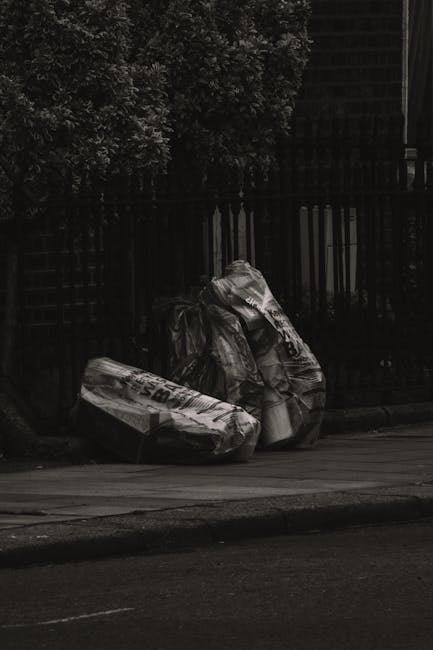
Why hidden rubbish removal charges in Hammersmith matters
Let's face it: most people do not shop for rubbish removal the way they would for a sofa or a new phone. It is usually a job you want gone, quickly, and preferably without a lot of admin. That urgency is exactly why hidden costs creep in. A quote looks fine at first, then extra labour, access issues, restricted waste types, parking complications, or "minimum load" rules appear after the fact.
In a busy part of West London like Hammersmith, those details matter even more. Tight streets, basement flats, shared entrances, stair-only access, and controlled parking can all affect the final cost if they are not discussed up front. If you do not clarify them early, the quote you thought was fixed may suddenly feel very flexible. Not in a good way.
Transparent pricing matters for another reason too: trust. A reputable company should be comfortable explaining what is included, what is excluded, and what might change the price. That is basic service hygiene. If the quote language feels slippery, that is often your first warning sign.
For homeowners, landlords, and business owners alike, surprise charges also make budgeting harder. A small clearance can become a planning headache. A bigger one can delay a move, a renovation, or an office handover. And in Hammersmith, where properties and schedules tend to be tightly packed, delays have a way of snowballing.
Expert summary: the cheapest quote is not always the cheapest job. The best value is usually the one that explains exactly what you are paying for, before the van arrives.
If you are comparing service types, it also helps to look at specialist pages such as rubbish collection in Hammersmith or waste removal in Hammersmith so you can match the job to the right solution.
How hidden charges in rubbish removal usually appear
Most hidden charges do not begin as scams. Sometimes they start as vague wording, rushed estimates, or assumptions made on both sides. The problem is that a "rough price" is easy to agree to and hard to challenge later.
Here are the most common ways extra fees show up:
- Access charges: stairs, long carrying distances, no lift, awkward entry points, or limited parking.
- Weight-based changes: the load is heavier than expected, especially with builders' waste or mixed rubble.
- Volume adjustments: the waste fills more of the van than described during the booking call.
- Item-specific fees: fridges, mattresses, white goods, or bulky furniture may be priced differently.
- Labour overrun: the job takes longer because items need dismantling, sorting, or extra hands.
- Disposal surcharges: some waste streams can cost more to handle and process.
- Waiting or rebooking fees: you were not ready, or access problems slowed the team down.
To be fair, some variation is reasonable. A quote given over the phone from a description alone can only be so accurate. But that is precisely why the best firms ask good questions. They do not just say, "Yep, no problem," and hope for the best. They want the real picture.
With specialist jobs like builders waste disposal, house clearance, or office clearance, the scope can shift fast if the waste is mixed, heavy, or hard to reach. That is normal. The important thing is that the pricing model reflects it clearly.
Key benefits and practical advantages
A transparent rubbish removal quote does more than protect your budget. It makes the whole job calmer. And that is worth quite a lot on a busy weekday morning when your hallway is full of old furniture and you are trying to get on with life.
- Better budgeting: you know the likely total before booking.
- Fewer disputes: clear terms reduce awkward conversations after the collection.
- Faster jobs: crews can work from an agreed scope rather than negotiating on the doorstep.
- Cleaner decisions: you can compare providers on real value, not vague promises.
- Less stress: no surprise invoice landing after everything has already gone.
There is also a practical upside for time-sensitive work. If you need same-day collection, you often have less room for back-and-forth. A provider that explains its pricing well is usually easier to work with under pressure. If you are dealing with a one-day move, renovation deadline, or tenancy handover, that can be a lifesaver.
For people moving property, a clear waste disposal arrangement can also reduce friction around staging, cleaning, and last-minute clutter. If that is your situation, our Hammersmith realty sales and purchases article may give useful local context.
Who this is for and when it makes sense
This advice applies to more people than you might expect. Basically, if you are paying someone to take things away, you should care about the pricing structure.
It is especially relevant if you are:
- clearing a flat or house in Hammersmith
- disposing of old furniture or appliances
- arranging post-renovation builders' waste removal
- emptying an office, shop, or commercial unit
- sorting a loft, garage, basement, or garden
- handling a same-day or next-day clearance
- comparing multiple quotes and want a fair like-for-like view
It also makes sense if you are not sure what counts as general waste versus a specialist item. That confusion is one of the most common reasons people end up paying more than expected. A sofa is not just a sofa in pricing terms, unfortunately. A washing machine is not just a washing machine either.
If you are dealing with mixed household items, you may want to read about furniture removal, furniture disposal, or white goods and appliance disposal so you can separate out what needs special handling.
Step-by-step guidance to avoid extra fees
Here is the simplest way to keep pricing under control. It is not glamorous, but it works.
- List everything you want removed. Be specific. "Three chairs, one mattress, two boxes of tile offcuts, and a broken desk" is better than "a bit of rubbish."
- Take photos from a couple of angles. A quick phone picture can help the team judge volume, weight, and access. One image is better than none. Two is better than one. Easy.
- Describe access honestly. Mention stairs, narrow hallways, parking restrictions, loading distance, or whether there is a lift.
- Ask what is included in the quote. Check labour, loading, disposal, travel time, and VAT if applicable. If you are unsure, ask again. You are allowed to ask twice.
- Confirm item-specific charges. Find out whether sofas, fridges, mattresses, or hazardous items are priced separately.
- Ask about minimum loads. Some providers have a minimum charge even for small jobs.
- Check whether the quote is fixed or estimated. Fixed is safer. Estimated can be fine, but only if the adjustment rules are clear.
- Get the agreement in writing. Email, text, or a booking confirmation is enough if it clearly states the scope and price basis.
A small real-world example: a client thinks they are removing "a few bits from a spare room," but the team arrives to find a dismantled wardrobe, a broken treadmill, and two heavy filing cabinets up three flights of stairs. That is not a minor tweak; it is a different job. Transparency on both sides prevents that mildly embarrassing moment where everybody stands around pretending this was all expected.
One more thing: if you need time-sensitive collection, a service page like same-day rubbish removal near Hammersmith Broadway can be useful for understanding how fast turnaround services are typically positioned.
Expert tips for better results
These are the habits that tend to separate smooth bookings from messy ones.
- Use exact item counts where possible. "About ten bags" is vague. "Eight black sacks plus one broken desk" is better.
- Flag mixed waste early. Builders' rubble mixed with household junk can change disposal handling.
- Ask how payment works. Good providers should explain accepted payment methods and when payment is taken. See payment and security for a helpful overview of what careful payment handling looks like.
- Check the company's insurance and safety approach. A professional team should be able to talk sensibly about lifting, access, and property protection. Read more on insurance and safety.
- Ask about recycling and sorting. If the company separates recyclable material, that can affect where your waste ends up and sometimes how the job is priced. Our recycling and sustainability page explains the principle in plain English.
Another useful tip: don't wait until collection day to mention awkward items. The driver probably cannot magically absorb a wardrobe, a broken treadmill, and three bags of plasterboard into a quote that was based on "some loft clutter." You get the idea.
If you are booking for a business, a clearer brief is even more important. Commercial jobs can involve office furniture, IT waste, archive material, and access windows around staff hours. A page like commercial waste removal in Hammersmith can help frame those requirements properly.
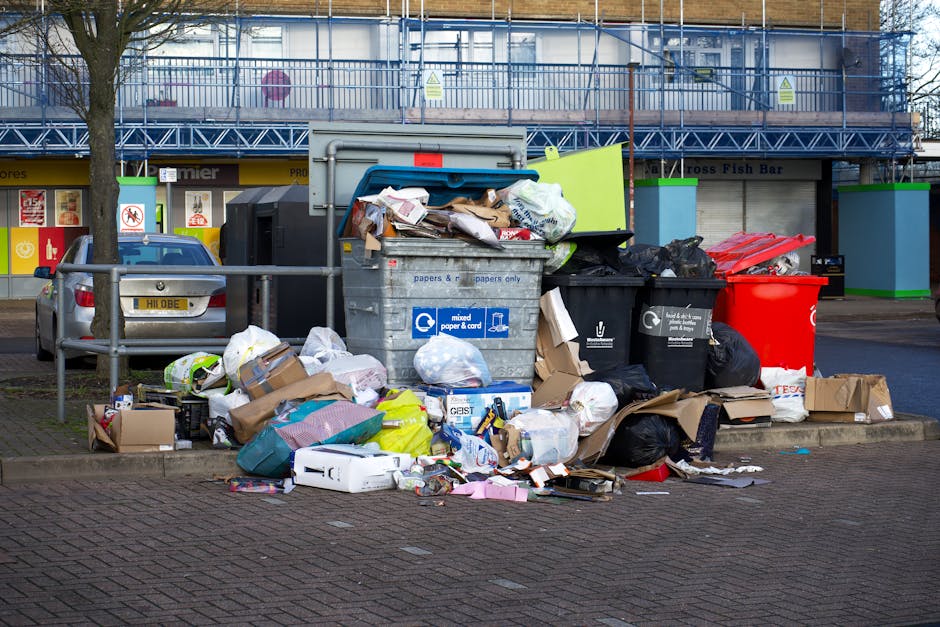
Common mistakes to avoid
Most avoidable overcharges come from a handful of recurring mistakes. The good news is that they are easy to sidestep once you know what to look for.
- Booking on price alone. The lowest quote can hide the highest add-ons.
- Using vague descriptions. "House stuff" is not a useful booking brief.
- Forgetting access issues. Parking, stairs, and carrying distance matter more than people expect.
- Assuming all waste is the same. It is not. Different waste streams can cost different amounts to handle.
- Not checking the small print. Even a simple job can have limits around load size or excluded materials.
- Ignoring compliance signals. If a provider cannot explain how they handle waste responsibly, that is a red flag.
A quiet but important mistake is failing to compare quote structures. One company may offer a low headline price and add extras later. Another may quote slightly higher but include everything. The second option often works out better. Not always, but often enough that it is worth checking.
For larger jobs, especially clearances that involve multiple item types, looking at house clearance or loft clearance information can help you describe the scope properly before anyone arrives.
Tools, resources and recommendations
You do not need fancy software to avoid hidden rubbish removal charges. A few simple tools will do the job nicely.
- Your phone camera: take photos of the waste and access route.
- A rough item list: write down item types, counts, and any awkward objects.
- A tape measure: useful for oversized furniture or appliances.
- A notes app: keep a record of what was quoted and what was promised.
- Comparison spreadsheet: even a tiny one helps if you are comparing several quotes.
Useful internal resources on the same site include pricing and quotes for understanding how pricing should be presented, and waste carrier licence and compliance if you want reassurance that waste is being handled properly.
One practical recommendation: ask for the "total likely price" and the "what could change it" list. Those two questions expose a lot very quickly. If the answers are clear and calm, good sign. If the answers are slippery, keep looking.
And if you are local to the area, context matters too. Our Hammersmith area guide and local Hammersmith insights can be handy if you want a better feel for access, neighbourhood flow, and everyday logistics.
Law, compliance, standards and best practice
Waste removal is not just about lifting things into a van. There are compliance expectations around how waste is collected, transported, and passed on. You do not need to become a legal specialist, but you should expect the company to operate professionally and responsibly.
In plain terms, a good provider should be able to explain:
- how waste is handled after collection
- whether items are reused, recycled, or disposed of appropriately
- how they deal with different waste types
- what their safety process is for lifting and loading
- how payment and record-keeping are managed
This is where trust really shows. If a company can explain its process without sounding evasive, that is usually a strong sign. If it avoids questions about compliance, payment handling, or safety, I would pause there. Maybe even stop. There are plenty of alternatives.
Best practice also means being honest as a customer. If you know there is plasterboard, paint tins, chemicals, or unusual heavy items, say so. That protects both sides and keeps the quote realistic. It is a two-way street, really.
You can also review the company's public statements such as about us, terms and conditions, privacy policy, and accessibility statement to get a clearer sense of how carefully it operates as a business.
Options, methods, or comparison table
Different booking approaches suit different situations. Here is a simple comparison to help you choose the safest option.
| Booking method | Best for | Risk of hidden charges | What to check first |
|---|---|---|---|
| Phone quote only | Small, simple jobs with clear access | Medium | Load size, access, item types, minimum charge |
| Photo-based estimate | Mixed household or office items | Low to medium | Whether photos cover the full job and any upstairs access |
| Site visit | Large clearances, builders' waste, awkward properties | Low | Whether the quote is fixed and what exclusions apply |
| Open-ended "from" pricing | Very flexible jobs where scope is uncertain | High | How the final price is calculated and when it changes |
In practical terms, the more complex the job, the more you should lean toward a clearer, better-documented estimate. For example, garden waste removal can be straightforward, but if the pile includes soil, branches, broken fencing, and bags of mixed debris, the pricing picture changes fast.
Likewise, if you are dealing with shop stock, equipment, or back-room clutter, a service such as office clearance may need more careful scoping than a one-room domestic pickup.
Case study or real-world example
A small Hammersmith landlord needed an end-of-tenancy clear-out after a tenant left behind a sofa, a broken desk, two mattresses, and a surprising number of loose bags in the hallway. The first quote sounded appealing because it was quick and low. But it did not ask about stairs, parking, or access to the rear entrance.
When the job details were discussed properly, it turned out the sofa had to be carried down two flights of stairs, and the building had restricted stopping space outside. The original "cheap" quote would have been changed on arrival. Instead, the landlord sent photos, explained the access, and asked for a clear written breakdown before booking.
The final result was not the absolute cheapest number on paper, but it was the one that matched the real job. No awkward renegotiation at the door. No surprise bill. No one standing in the corridor pretending to be surprised by a mattress. A small win, but a proper one.
That is the point of avoiding hidden rubbish removal charges in Hammersmith. It is not about squeezing every penny. It is about paying the right price for the right work, with no nasty little surprises tagged on afterwards.
Practical checklist
Use this before you confirm any booking:
- Have I listed every item or waste type clearly?
- Have I shared photos or a detailed description?
- Have I mentioned stairs, parking, or carrying distance?
- Do I know whether the quote includes labour, disposal, and VAT if relevant?
- Do I understand any item-specific or minimum-load charges?
- Is the quote fixed, estimated, or subject to site review?
- Have I checked the company's safety, payment, and compliance information?
- Is the agreed scope written down somewhere?
- Am I comparing like-for-like quotes, not just headline prices?
- Does the booking still make sense if the job takes longer or includes extra items?
If you can tick most of those off, you are in much safer territory. If not, slow down a bit. That extra five minutes is usually well spent.
Conclusion
The simplest way to avoid hidden rubbish removal charges in Hammersmith is to treat the quote like a conversation, not a guess. Describe the job properly, ask direct questions, confirm what is included, and make sure the provider can explain any potential extras without hesitation. That is the difference between a tidy, straightforward collection and an invoice that makes you mutter under your breath later.
Whether you are clearing a single bulky item, emptying a loft, handling a renovation, or sorting an office move, clarity pays off. In a busy local area like Hammersmith, where access and timing can shape the job quite a lot, a transparent approach is not just helpful. It is essential, really.
Get a free quote today and see how much you can save.
And if you do nothing else, do this one thing: ask, "What could change the price?" A good company will answer clearly. That answer tells you a lot.