Ravenscourt Park garden waste clearance Hammersmith
Posted on 19/08/2026
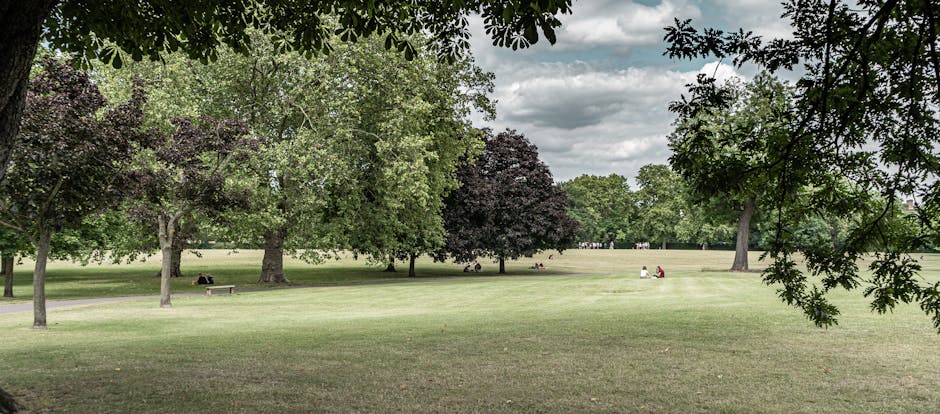
Ravenscourt Park garden waste clearance Hammersmith: a practical local guide
If you are dealing with a growing pile of hedge cuttings, branches, turf, soil, or old planters, Ravenscourt Park garden waste clearance Hammersmith can feel less like a quick tidy-up and more like a proper weekend project. Anyone who has ever dragged a few overfilled bags through the gate after a damp London morning knows the feeling. It looks harmless at first, then suddenly there is a mountain of green waste, and you are wondering where it all came from.
This guide explains what garden waste clearance involves, why it matters in a busy part of west London, how the process usually works, and what to watch out for if you want a clean, efficient result without hassle. You will also find a comparison of clearance options, a simple step-by-step plan, and a realistic checklist you can use before booking anything. If you are also planning other household or property work in the area, you may find our notes on about us helpful, along with the broader context in this Hammersmith area guide.
In short: if you want your garden back to a usable, calm, tidy space, clearing waste properly is one of those jobs that pays you back straight away. And yes, it is usually more work than the pile suggests. Funny how that happens.
Why Ravenscourt Park garden waste clearance Hammersmith matters
Garden waste is not just "stuff from the garden." It affects how your outdoor space looks, how easy it is to maintain, and even how safe it feels to use. In a neighbourhood like Ravenscourt Park and the surrounding Hammersmith streets, outdoor space is often limited, shared, or closely overlooked, so clutter builds up quickly and becomes very noticeable.
When a garden is full of cuttings, broken pots, old compost bags, or branches from a pruning session, the space can stop feeling like somewhere you relax and start feeling like another storage area. That is especially true if you have a compact back garden, a courtyard, or a communal outdoor area. A proper clearance can reset the whole space in one go.
There is also a practical reason. Green waste left to sit too long can become slimy, smelly, heavy, or compacted, which makes it harder to move later. Wet leaves and soil in particular can be surprisingly awkward. One minute it is a few sacks; the next it is a muddy workout. To be fair, nobody needs that after a long week.
For local homeowners, landlords, gardeners, letting agents, and small businesses with outdoor frontage, timely clearance also helps keep the property looking cared for. That matters if you are trying to improve kerb appeal, prepare for a tenancy inspection, or simply make a small space enjoyable again.
For background reading on local life and property movement in the borough, you may also find these Hammersmith local insights and this piece on Hammersmith sales and purchases useful.
How Ravenscourt Park garden waste clearance Hammersmith works
Most garden waste clearance jobs follow a fairly simple pattern, although the details depend on the amount and type of material involved. The big advantage is that you do not need to sort every leaf yourself if you are using a professional clearance service. Still, a bit of preparation helps a lot.
Typically, the process starts with an assessment of what needs removing. Garden clearance can include hedge trimmings, branches, twigs, lawn cuttings, weeds, roots, old plants, soil, damaged fencing offcuts, broken garden furniture, pots, and general outdoor debris. Some providers also remove light mixed waste from sheds or side return areas if it is part of the same job. If your project has spilled into other areas of the property, you might also look at house clearance in Hammersmith or rubbish collection in Hammersmith for a broader tidy-up.
From there, the team usually explains what can be taken, whether the waste needs to be bagged or bundled, and whether any items require special handling. In real life, this is where a lot of confusion gets cleared up. Green waste is often lighter than builders' rubble, but it can be bulky. Branches, especially, do not pack neatly unless they are cut down first.
Collection is usually done on the day or at an agreed time slot. The crew loads the waste, transports it away, and takes it to an appropriate transfer or recycling route where possible. Good operators separate green waste from general rubbish, which helps with recycling and keeps disposal more efficient. If sustainability matters to you, it should, consider reading our recycling and sustainability approach.
For larger gardens, the removal may happen in stages. For example, an overgrown plot might need cut-back, bagging, and then removal in separate loads. That is not a problem; it just means the job is more honest about the actual volume. Sometimes the pile in the corner is trying to lie to you.
Key benefits and practical advantages
The most obvious benefit is a cleaner garden. But honestly, the real value goes beyond appearance. A proper clearance changes how the space works for you day to day.
- Faster turnaround: you can reclaim the space without making multiple trips to a tip or waiting around for bins to empty.
- Less physical strain: moving wet cuttings, branches, and soil is harder than it looks, especially upstairs, through narrow side returns, or down shared paths.
- Better presentation: a tidy outdoor area immediately improves the feel of a home, rental property, or business frontage.
- Cleaner handling of mixed waste: professionals can separate green material from other garden debris and advise on anything that needs special handling.
- More usable space: patios, lawns, and terraces feel bigger when they are not half-blocked by stacked sacks and trimmings.
There is also a less obvious benefit: momentum. Once the waste goes, people usually finish the rest of the garden job. You prune a hedge, clear the borders, sweep the patio, and suddenly the whole space looks different. It becomes easier to maintain too, which matters if you do not want the same problem returning two weeks later.
If you are comparing clearance against other property services, it can help to browse adjacent options such as garden waste removal in Hammersmith and waste removal in Hammersmith. They are not identical, and that distinction matters when choosing the right service for the job.
Who this is for and when it makes sense
Garden waste clearance is useful for more people than you might expect. It is not only for big landscaping jobs. In fact, many of the callouts come from ordinary everyday maintenance.
Homeowners often need help after seasonal pruning, a planting refresh, or a clear-out after stormy weather. A windy week in London can leave branches scattered in awkward corners, and the garden looks tired fast.
Landlords and letting agents use clearance services between tenancies, especially where a tenant has left pots, broken outdoor furniture, or a patch of neglected planting behind. When presentation matters, speed matters too.
Gardeners and tradespeople may need support after completing a job that creates more waste than the van can take in one trip. That is especially common on larger pruning jobs or bigger tidy-ups around fences and borders.
Businesses with outdoor areas, such as cafes, venues, or offices with planted frontage, may need regular clearances to keep entrances neat. If your work is linked to events or hospitality, this can be part of a wider waste plan, similar in spirit to the planning discussed in this article on Hammersmith venue spaces and this look at event waste planning.
When does it make sense? Usually when waste is too bulky for normal bins, too much for a single car load, too awkward to break down quickly, or simply too urgent to leave hanging around. If your garden has started to feel like a storage area for cuttings, bags, and offcuts, that is your sign.
Step-by-step guidance
If you want the cleanest result with the least drama, a simple process helps. Here is the approach we would recommend in practice.
- Walk the garden first. Do a slow sweep of the space and identify everything that needs to go. Check corners, behind sheds, under hedges, and around the compost area.
- Separate the waste into rough groups. Keep green cuttings, branches, soil, old pots, and mixed rubbish apart if possible. It is not about perfection; it is about making the job more efficient.
- Check for anything unusual. Stones, bricks, broken glass, paint tins, old tools, and treated wood may need different handling. That can affect cost and disposal route.
- Bag or bundle where practical. Loose leaves are easy to move until the wind gets involved. Then, well, you are chasing them around the path like a very committed volunteer.
- Clear access routes. Make sure gates, side passages, and entrances are open so the crew can move safely and quickly.
- Book the collection. Choose a time that fits your day and think about neighbours if the access route is shared or narrow.
- Stay available for a quick check. A few questions at the start can prevent confusion later, especially if you have mixed waste or heavy bags.
- Finish with a light clean. Once the waste is gone, sweep paths, rinse muddy areas if needed, and give the space a final look-over.
A small tip: if your garden waste is mixed with heavier household junk, tell the provider in advance. That sounds obvious, but it saves awkward surprises. Transparency is quicker for everyone.
Expert tips for better results
There are a few little decisions that can make a big difference.
Cut long branches down before collection if you can. Even if the service can take them, shorter lengths are easier to load and usually more efficient. A branch that looks harmless in the garden becomes a very stubborn object once you start carrying it.
Keep soil separate from light green waste. Soil is heavy. It affects load planning in a way that many people underestimate. A few bags of soil can weigh more than a whole pile of leaves and trimmings.
Don't overfill bags. Overstuffed sacks tear, spill, and slow everything down. It is a small thing, but it saves time and, frankly, frustration.
Use the tidy-up as a maintenance reset. Once the clearance is done, check drainage, inspect borders, and remove any dead growth before it spreads. This turns a one-off clear-out into an easier maintenance cycle.
Think about timing. After heavy rain, green waste gets heavier. On dry days it is lighter and easier to handle. Early morning collections can also be better if you want to avoid heat, foot traffic, or busy access routes. London mornings can be calm in a nice way.
Ask what happens to the waste. Reputable providers should be able to explain whether the material is taken for recycling, composting, or general disposal depending on what it is. You do not need a lecture. Just a clear answer.
For local users comparing costs and service levels, pricing and quotes can be useful reading before you commit to anything. It helps set expectations, which is always a good thing.
Common mistakes to avoid
Garden clearances are straightforward until they are not. A few recurring mistakes cause most of the headaches.
- Mixing green waste with construction debris. If there are bricks, broken slabs, or soil bags from landscaping work, say so early.
- Leaving wet waste to pile up. Damp cuttings are heavier and often smell worse. Not ideal.
- Assuming everything can go in one pile. Some items, such as treated timber or contaminated material, may need separate treatment.
- Blocking access routes. A narrow path full of pots, bikes, or bin bags slows everything down and can create safety issues.
- Forgetting about hidden waste. Old sleepers, roots, and compacted debris in borders often stay unnoticed until the last minute.
- Choosing the cheapest quote without checking what is included. A low headline price can be less useful than a clear, honest one. Nobody likes surprise add-ons.
There is a decent article on this general problem in avoid hidden rubbish removal charges in Hammersmith. It is not specific to gardens, but the warning applies just as much here.
Tools, resources and recommendations
You do not need a shed full of specialist kit to prepare for clearance, but a few basics help.
- Heavy-duty sacks or dumpy bags for leaves, cuttings, and smaller debris
- Secateurs and loppers for reducing branch length
- Gloves to protect hands from thorns, splinters, and wet compost
- A rake and broom for final surface clean-up
- Wheelbarrow or garden trolley if the collection point is far from the back garden
- Tarpaulin to keep waste together while you work
If you are trying to decide between doing it yourself and booking help, think about three things: volume, access, and time. If one of those is awkward, the job becomes more tiring than it first appears. Two of them? You probably want support. All three? Definitely.
Useful related pages include services overview, waste carrier licence and compliance, and insurance and safety. They help build confidence that a provider is organised, accountable, and prepared for real-world site conditions.
Law, compliance, standards, or best practice
Garden waste clearance is one of those jobs where the practical side and the compliance side overlap. You do not need to memorise legislation to make a sensible choice, but you should understand the basics.
In the UK, waste should be handled by an authorised carrier where appropriate, and it should be taken to a lawful disposal or recovery facility. That is the broad expectation. Good operators can usually explain what happens to the material and should be clear about how they manage transfer and sorting. If they cannot answer basic questions, that is not a great sign.
Best practice also means keeping different waste streams separate where reasonable. Green waste, mixed rubbish, and heavier landscaping material are not always treated the same way. Separation supports recycling and reduces unnecessary landfill use.
Another sensible point is safety. Garden clearances often involve lifting, awkward carrying, sharp edges, wet surfaces, and narrow access routes. That is why insured, trained, and well-equipped crews matter. It is not just a formality; it protects your property and the people doing the work.
If your clearance sits alongside another type of removal, such as renovation debris or old furniture from an outdoor room, cross-check the relevant service pages like builders waste disposal in Hammersmith and furniture disposal in Hammersmith. That keeps the job aligned with the correct handling route.
Options, methods, and comparison table
There is more than one way to clear garden waste in Ravenscourt Park and the wider Hammersmith area. The right choice depends on volume, urgency, and how much effort you want to spend yourself.
| Method | Best for | Pros | Watch-outs |
|---|---|---|---|
| DIY tip run | Small, light loads | Low cash cost, simple for very small tidy-ups | Time-consuming, tiring, and awkward with bulky branches or wet waste |
| Bagged collection | Mixed light garden waste | Convenient, orderly, good for regular maintenance | Needs preparation; heavy bags can still be difficult to move |
| Full clearance service | Large, overgrown, or urgent jobs | Fast, hands-off, suitable for busy homes and landlords | Needs accurate description of waste type and access |
| Combined waste removal | Gardens plus other household or outdoor items | Good for one-off resets and major tidy-ups | Mixed waste may affect handling and quoting |
If you want something simple and local, many people pair garden clearance with domestic waste collection in Hammersmith when they are clearing both inside and outside in the same week. It can make the whole job feel less fragmented.
Case study or real-world example
Picture a modest back garden near Ravenscourt Park after a spring cut-back. The hedge has been trimmed, the border has been lifted, and there are six black sacks of clippings, a pile of branches, an old cracked planter, and a few bags of soil from replanting. Nothing dramatic, just a standard tidy-up that got bigger once everything came out into the open.
The first instinct is often to stack it all neatly and deal with it later. But later means rain, and rain means heavier waste. Then the bags split, the branches sprawl, and the patio becomes a maze. So the better move is simple: separate the branches, bag the lighter material, keep the soil in a stronger container, and book a collection while everything is still manageable.
In a case like this, the result is usually quick. The crew arrives, checks access, loads the waste, and clears the area before the mess spreads further. The garden then becomes usable again that same day, which is the whole point really. The space feels lighter. You notice the difference immediately, even before the kettle boils.
That kind of job can also overlap with nearby projects like light renovation or moving out old outdoor furnishings. If that sounds familiar, the related pages on furniture removal in Hammersmith and same-day rubbish removal near Hammersmith Broadway are worth a look.
Practical checklist
Use this checklist before you book or start the job:
- Identify all green waste, branches, soil, and mixed garden debris
- Separate anything unusual such as treated timber, rubble, or sharp items
- Check access to the garden, side gate, and collection point
- Bag or bundle waste where possible
- Make note of wet, heavy, or compacted material
- Clear the path so nothing gets in the way of loading
- Confirm whether the job is garden-only or part of a wider clearance
- Ask how the waste will be handled after collection
- Set aside time for a final sweep once the waste is removed
- Keep your quote details accurate and simple
If you are preparing for a larger property clear-out as well, nearby pages like loft clearance in Hammersmith and office clearance in Hammersmith can help you think through the wider clean-up rather than just the garden.
Get a free quote today and see how much you can save.
Conclusion
Ravenscourt Park garden waste clearance Hammersmith is really about more than disposing of cuttings and branches. It is about making your outdoor space usable again, reducing stress, and handling waste in a tidy, sensible way that fits local conditions. In a dense part of London, that matters. A lot, actually.
The best results usually come from a mix of good preparation, honest description of the waste, and a service that understands access, safety, and disposal properly. Keep the job simple where you can, separate the obvious materials, and do not leave wet or bulky waste hanging around longer than necessary.
If you want a straightforward, local, and practical outcome, the answer is usually to plan the clearance early and keep expectations realistic. A garden reset does not need to be complicated. It just needs to be done properly. And once it is, you feel it straight away.
There is something quietly satisfying about looking at a cleared garden at the end of the day. The air seems lighter. The space feels calmer. Nice, that.