Late night rubbish collection issues around Hammersmith Broadway
Posted on 30/06/2026

Late night rubbish collection issues around Hammersmith Broadway: what goes wrong, why it matters, and how to handle it
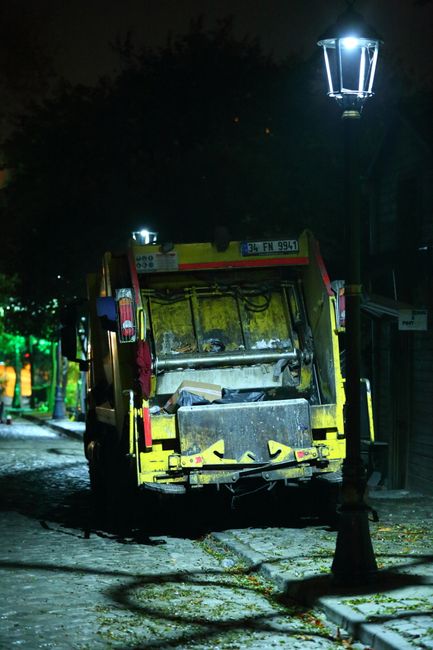
If you live, work, manage property, or run a venue near Hammersmith Broadway, you'll know the pattern: the area feels busiest just as the day is winding down. Deliveries are still moving, late diners are heading home, buses are braking, and then-right when people want a quiet night-rubbish appears on the pavement, a sack splits, or a collection lorry gets stuck behind traffic. Late night rubbish collection issues around Hammersmith Broadway are not just a nuisance. They can affect sleep, safety, local reputation, and even whether waste is removed properly at all.
This guide breaks down what is happening, why the area is especially tricky after dark, and what residents, landlords, businesses, and building managers can do to keep things under control. We'll also look at practical scheduling, common mistakes, compliance basics, and the sort of service choices that tend to work better in a busy London hub. To be fair, it's rarely one single problem. It's usually a few small ones stacking up.
Why late night rubbish collection issues around Hammersmith Broadway matters
Hammersmith Broadway is a transport-heavy, mixed-use part of west London. That sounds obvious, but it matters more than people expect. The area has office buildings, homes, shops, restaurants, pubs, takeaways, flats above commercial units, and constant foot traffic. Waste from all of that has to be moved out somehow, and often the easiest operational window is late evening or very early morning.
The trouble is that the same window is also sensitive. Noise carries further at night. A dropped bin lid sounds louder. A glass bottle rolling across a pavement feels endless. And if a waste crew arrives at the wrong time, residents may already be asleep, while travellers are still passing through. You can see why frustration builds quickly.
There is also the practical side. Missed collections can leave bags stacked outside premises until morning. That creates odour, pests, blocked walkways, and a poor first impression for anyone arriving at the Broadway at 7 a.m. The issue is not only cleanliness. It is urban management, plain and simple.
For landlords and businesses, poor waste timing can affect compliance and tenant satisfaction. For residents, it can feel like the street has become a service yard after dark. And for operators, late-night work around a busy junction often means juggling access, timing, and noise expectations all at once.
Expert summary: In a place like Hammersmith Broadway, the "best" collection time is not always the quietest moment on paper. It is the one that balances access, traffic, noise, and the legal duty to keep waste secure until it is collected.
If you're trying to understand the wider local context, the Hammersmith area guide is a useful way to get a feel for the neighbourhood layout and the way different streets behave at different times of day.
How late night rubbish collection issues around Hammersmith Broadway works
Late-night collection is usually a logistics decision, not a luxury. Waste teams often try to work when streets are less congested, loading bays are clearer, and trade waste can be removed before the next day's activity begins. In theory, that's sensible. In practice, Broadway-area conditions can complicate the simplest plan.
Here's what tends to shape the operation:
- Traffic flow: Even at night, traffic around major London routes can be stop-start.
- Access constraints: Narrow side roads, rear entrances, locked gates, and basement access all create delays.
- Noise sensitivity: Glass, metal, wheelie bins, and kerbside handling can all become a noise problem.
- Mixed-use buildings: Offices, restaurants, and residential blocks may all generate waste at different times.
- Storage limitations: Small bin stores overflow faster than people expect, especially after weekends.
Businesses often think collection is the last step. It is actually the final step in a longer chain: storage, separation, presentation, access, loading, and disposal. If any one of those parts is poorly planned, the whole thing can unravel at 11:30 p.m. when everyone just wants to go home.
Night collections also rely on coordination. A restaurant may close late, a cleaner may not finish until after midnight, and a vehicle may have to wait for waste to be brought down from an upper floor or basement. That is where delays happen. One person is waiting on a key. Another is waiting on a lift. The driver is waiting on both. It happens all the time.
If the waste is commercial, the plan should normally be more structured than a simple "we'll put it out later" approach. For many operators, a service like commercial waste removal in Hammersmith makes more sense because it is built around recurring, time-sensitive collections rather than one-off guesswork.
Key benefits and practical advantages
Despite the problems, late-night collection can be a very good fit for some premises around Hammersmith Broadway. The key is making it work properly, not just making it happen.
1) Less disruption during trading hours
For cafes, restaurants, bars, offices, and retail units, the obvious benefit is keeping the daytime clear. Staff can focus on customers or tasks instead of wrestling bins across a crowded pavement. When it works well, the waste disappears in the background. That's the dream, really.
2) Better use of limited access windows
Some buildings simply operate better after hours. Loading bays are free, lifts are available, and shared entrances are quieter. In tightly packed streets, this can make the difference between an efficient job and a frustrating one.
3) Cleaner frontage in the morning
There's a noticeable difference between a street where waste is removed overnight and one where bags are left out until the first service round. A clean frontage matters for customers, tenants, and even property value. If you're a landlord or investor, that's not a trivial point. It's part of how the area presents itself.
Readers interested in how local property demand and street conditions interact may also find the real estate investments Hammersmith edition worth a look, because waste presentation and neighbourhood upkeep can influence perception more than people admit.
4) More predictable routines for businesses
Once a collection pattern is set, staff know what to do. Waste is bagged, sorted, and staged on time. That predictability reduces panic clearing, missed pickups, and the awkward "where do we put this now?" moment that always seems to arrive at closing time.
5) Easier segregation and recycling discipline
Night-time handling often works better when the site already has clear waste separation. Recycling, food waste, cardboard, and bulky items can be prepared in advance, which improves the odds of proper disposal. For anyone aiming to be more responsible, the recycling and sustainability page gives a broader sense of the environmental approach behind better waste habits.
| Approach | Best for | Main upside | Main risk |
|---|---|---|---|
| Late-night collection | Busy commercial premises, mixed-use buildings | Less daytime disruption | Noise and access problems |
| Early-morning collection | Sites with strict noise sensitivity | Can be quieter than late evening | Traffic and staff availability issues |
| Daytime collection | Low-footfall properties, larger yards | Easier supervision | Most disruptive in busy urban areas |
Who this is for and when it makes sense
Late-night rubbish collection around Hammersmith Broadway is not just for restaurants. The people who usually need it fall into a few practical groups:
- Restaurants, bars, and cafes that generate waste after service hours.
- Offices clearing out paper, packaging, and old equipment after staff leave.
- Retail units dealing with packaging, displays, or stockroom waste.
- Landlords and managing agents coordinating collections across flats or mixed-use blocks.
- Event organisers needing a fast turnaround after a private function.
- Builders and fit-out teams working when daytime pedestrian traffic is too heavy.
It also makes sense when a property has no easy daytime access. Maybe the front is always busy, or there's no safe place to leave waste out in daylight. Maybe the bin store is too small to handle a weekend rush. Maybe the last thing you need is a collection truck blocking the entrance during lunch hour. Very understandable, honestly.
For one-off clearances, a late evening pickup can be useful after a move, a refurb, or a heavy tenant turnover. In those cases, services such as house clearance in Hammersmith, office clearance in Hammersmith, or builders waste disposal in Hammersmith may fit better than trying to improvise with bins and late-night stacking.
Step-by-step guidance
If you're trying to fix late-night collection problems around Hammersmith Broadway, it helps to treat it like a small operations project, not a last-minute tidy-up. Here's a sensible way to approach it.
- Map the waste sources. Identify exactly what is being produced, by whom, and at what times. Mixed waste, food waste, and bulky items need different handling.
- Check storage space. A lot of issues begin because the bin store is too small or awkwardly placed. If bags are spilling into walkways, the collection plan is already failing.
- Set a cut-off time. Staff need a clear point by which waste must be bagged, sealed, and ready. Otherwise the job drifts, every evening.
- Choose the right collection window. Match the pickup time to building access, local traffic, and the noise profile of the street.
- Separate recyclables. Cardboard, metals, food waste, and appliance items should not be left lumped together unless that is genuinely what the service requires.
- Confirm access arrangements. Keys, codes, loading points, and escort procedures should be sorted in advance. Don't leave that conversation for midnight.
- Review after the first collection. If collections are late, noisy, or causing street clutter, adjust the schedule before it becomes routine.
A small observation from experience: the first collection is often the smoothest, because everyone has been cautious. The second or third week is when the cracks show. That's the moment to review what's slipping, not six months later when the complaints arrive.
Expert tips for better results
There are a few habits that make a surprisingly large difference. None of them are glamorous. All of them help.
Keep waste presentation tidy and consistent
Use the same place, the same time, and the same format every time. Randomly moving bags around the building invites confusion and mess. Consistency helps crews work faster and keeps the site looking professional.
Don't mix bulky items with daily waste
A broken chair, a few bags of rubbish, and a white good are not the same thing operationally. If the wrong items are bundled together, the collection can take longer or be charged differently. For appliance-specific jobs, white goods and appliance disposal in Hammersmith is often the more suitable route.
Think about neighbours before the truck arrives
Loading a van at 11 p.m. outside a residential block is different from loading one at 3 p.m. outside a warehouse. Small choices matter: quieter bin handling, shorter waiting times, and avoiding over-stacking the pavement all reduce complaints.
Make the route as short as possible
Every extra metre waste has to travel increases the chance of spillage, noise, or delay. If you can reduce the path from the bin store to the vehicle, do it. It sounds basic because it is basic.
Have a backup for missed collections
Late-night operations are vulnerable to transport delays, access issues, and last-minute changes. A backup plan-another time slot, a standby contractor, or a short-term storage arrangement-can save a lot of stress.
If pricing is becoming part of the headache, it's worth reading how to avoid hidden rubbish removal charges in Hammersmith. Unexpected surcharges tend to show up when the job is poorly described or rushed.

Common mistakes to avoid
Most late-night rubbish collection issues are made worse by a handful of predictable errors. The good news? They're fixable.
- Leaving waste out too early. That invites mess, odour, and complaints before the crew even arrives.
- Assuming the street will be quiet. Broadway-adjacent streets can still be active late at night.
- Underestimating access problems. A locked gate or blocked loading bay can derail a whole collection.
- Ignoring noise sensitivity. Banging lids and dragging containers may seem minor, but at night they travel.
- Mixing waste types. Bulky waste, appliances, and regular rubbish should not be treated as the same thing.
- Skipping communication. If cleaners, managers, and staff aren't aligned, the collection will be a mess. Literally.
One of the biggest mistakes is treating the collection team like a rescue service. They can solve a lot, but they can't magic away a blocked entrance, a missing key, or a pile of waste that was never bagged properly. Not unless they're secretly superheroes, and we shouldn't assume that.
Tools, resources and recommendations
You don't need a complicated system, but you do need a few reliable tools and habits. The right setup reduces stress and keeps the operation steady.
- Clear labelling: Mark bins or bags by waste type so staff don't guess.
- Simple collection log: Keep a note of collection times, issues, and missed pickups.
- Site photos: Useful for showing storage limits, access constraints, or recurring trouble spots.
- Building access plan: A short written guide for drivers or managers avoids those awkward midnight calls.
- Quote comparison: Make sure you understand what is included and what is not.
For general service planning, the services overview page helps you think through the kind of support that may be available, while pricing and quotes is useful if you need a clearer idea of how jobs are usually approached.
If you manage a long-running site, it's also wise to check practical trust signals such as waste carrier licence and compliance, insurance and safety, and the company's broader approach to about us and service standards. Those details matter more than a flashy promise.
Law, compliance, standards, or best practice
When waste is collected late at night, compliance matters just as much as convenience. The exact duties depend on the type of property and waste stream, but the general expectations are fairly straightforward: waste should be stored safely, presented properly, collected by a legitimate operator, and removed without creating a public hazard.
For businesses, there is usually a need to think about duty of care, cleanliness, and preventing fly-tipping or uncontrolled storage. That does not mean every site needs a legal lecture. It means the person responsible should know where the waste goes, who is taking it, and whether the service is appropriate for the material involved.
Best practice also includes reducing disturbance. In residential-heavy parts of Hammersmith, that means avoiding unnecessary noise, keeping the pavement clear, and making sure collections don't leave residue or sharp items behind. If bulky items are involved, local guidance on disposal is worth following carefully. A relevant reference point is Hammersmith and Fulham council rules for bulky waste disposal, especially where residents or managing agents are deciding what counts as acceptable presentation.
For anyone handling waste commercially, it is sensible to keep records tidy, ensure collections are done by a properly authorised operator, and avoid putting unlabelled bags or restricted materials out at the kerb without checking first. If a service is being arranged after hours, the paperwork should be boring in the best possible way.
Options, methods, or comparison table
There isn't one universal fix for late night rubbish collection issues around Hammersmith Broadway. The right method depends on the property type, waste volume, and how much disruption you can tolerate. Here's a practical comparison.
| Method | Pros | Cons | Best use case |
|---|---|---|---|
| Regular scheduled collection | Predictable, easy to manage | May not suit very busy sites | Offices, shops, standard commercial premises |
| Same-day or rapid collection | Fast clear-down, useful in emergencies | Can cost more and needs good access | Post-event clearances, urgent overflow |
| Off-peak late-night collection | Less daytime disruption | Noise and access management needed | Restaurants, mixed-use blocks, late-trading venues |
| One-off bulky waste removal | Good for large items, declutters fast | Not ideal for ongoing waste streams | Move-outs, refurbishments, tenant changes |
For a same-day need near the Broadway, the article on rubbish removal Hammersmith Broadway same-day service is a relevant follow-up. If your concern is keeping costs sensible rather than simply getting the next available slot, the guide on cheap waste removal on King Street, W6 gives a helpful local perspective on quotes and clearances.
Case study or real-world example
Picture a mixed-use building a short walk from Hammersmith Broadway. Ground-floor hospitality tenants produce food waste and cardboard every evening. Above them, residential flats have limited bin storage. For weeks, waste gets pushed out late, sometimes after the cleaners have left. A collection crew arrives in the dark, finds one gate locked, and has to wait while staff search for the key. Meanwhile, bags are left on the pavement too long, and one gets split by a passing wheel.
Nothing dramatic. Just a series of small failures. But the result is bad smell, a mess by morning, and complaints from residents who can hear every clatter.
The fix wasn't complicated. The building manager introduced a strict cut-off for bagging waste, moved the storage point slightly closer to the vehicle access route, and separated food waste from dry waste. They also shifted collections to a narrower time window after service ended but before the street became too quiet. The difference was noticeable within a couple of weeks. Less noise. Less waiting. Fewer complaints.
That kind of improvement is pretty common when people stop treating waste as an afterthought. A bit of planning goes a long way.
Practical checklist
Use this as a quick pre-collection check if you're dealing with late-night rubbish around Hammersmith Broadway:
- Are all waste bags sealed and correctly separated?
- Is the collection point clear and easy to reach?
- Do staff or the manager know the arrival window?
- Are gates, keys, and access codes ready?
- Is there enough space to avoid blocking the pavement?
- Have noisy items been handled as quietly as possible?
- Are bulky items or appliances listed separately?
- Has the contractor confirmed what is and is not included?
- Is the site safe for staff, residents, and passers-by?
- Is there a backup plan if the collection is delayed?
If you can tick most of those off, you're already ahead of the curve. Honestly, that alone prevents a lot of the usual chaos.
Conclusion
Late night rubbish collection issues around Hammersmith Broadway are really about balance: keeping streets clean without making nights noisy, keeping businesses efficient without making residents miserable, and keeping collections fast without cutting corners. In a busy part of London, that balance is never perfect, but it can be a lot better than it often is.
The best results usually come from simple discipline: clear storage, proper separation, realistic scheduling, and a service that understands local access problems rather than pretending they don't exist. If you plan the collection properly, the whole thing becomes calmer. Less stress. Less mess. Fewer surprises at midnight.
Get a free quote today and see how much you can save.
And if you're still weighing up the best route, start with the basics, be honest about your site's limitations, and choose the option that keeps the Broadway side of things tidy the next morning. That's the bit people notice.